
How to Sell an Inherited House in Alabama
Answer: Selling an inherited house in Alabama typically requires the probate court to appoint an executor or personal representative before the property can legally be sold. Probate usually takes 6 to 12 months for larger estates. Small estates under $25,000 can use a simplified summary process. Once appointed, the executor can list and sell the property through a licensed real estate agent, who handles all marketing of the property for sale.

How Do You Sell an Inherited House in Alabama?
Inheriting a home is rarely simple. You’re dealing with grief, family logistics, and a property you may not have set foot in for years. And then someone tells you the home can’t be sold until probate is done.
That’s usually true. But understanding how the process works in Alabama can help you move through it without unnecessary delays or costly mistakes.
Here’s what sellers of inherited property in Alabama need to know.
Video: How Do You Sell an Inherited House in Alabama?
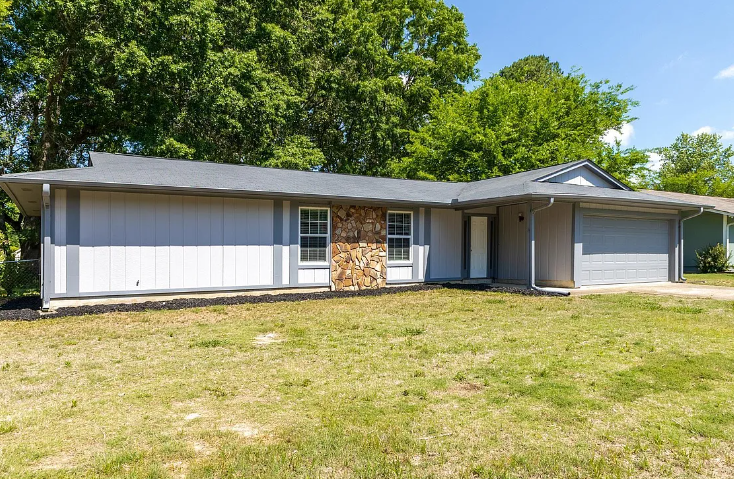
Inherited a house in Huntsville, Madison County, or elsewhere in Alabama? Before putting the property on the market, you need to understand who has the legal authority to sell, whether probate is required, and how to determine the home’s current market value.
In this video, I explain the important steps involved in selling inherited property, including probate, handling necessary repairs, selling as-is, and avoiding common mistakes that can delay the sale or reduce your proceeds.
What Should You Do First When Selling an Inherited Home?
Before making repairs, hiring contractors, or listing an inherited property, confirm who has the legal authority to sell it. Depending on how the property was owned, probate or other legal steps may be necessary before the sale can proceed.
Once ownership and selling authority are established, the next priority is understanding the home’s market value and deciding whether to make improvements or sell it in its current condition.
The sections below explain Alabama’s probate requirements, potential tax considerations, and practical steps for selling an inherited house in Huntsville or Madison County.
Alabama Probate: What It Is and When It’s Required
Probate is the legal process through which a deceased person’s estate is settled under court supervision. In Alabama, most inherited properties cannot be sold until a probate court appoints an executor or personal representative. That person has the legal authority to act on behalf of the estate, including authorizing a home sale.
Until that appointment is made, no one can sign a deed or transfer title. Even if all the heirs agree and you have an interested buyer, the sale cannot close without it.
When probate may not be required:
- The estate is valued under $25,000. Alabama allows a simplified summary probate for small estates, which moves faster than the standard process.
- The property was held in a revocable living trust. In that case, title transfers directly to the named beneficiaries without court involvement.
- The property was titled with right of survivorship (joint tenancy). The surviving co-owner inherits automatically.
For most family homes, the estate will exceed $25,000 in value, which means formal probate applies.
How Long Does Probate Take in Alabama?
The honest answer: it depends on the size of the estate and whether the heirs are in agreement.
In straightforward cases with a clear will and cooperative heirs, probate in Alabama can be completed in roughly 6 to 12 months. When there’s no will, multiple heirs in disagreement, or significant estate debts, it can take longer.
Things that can slow the process:
- Heirs who live out of state and are hard to reach for signatures
- Disputes about how proceeds should be divided
- Unclear ownership history or title issues on the property itself
- Outstanding estate debts that must be satisfied before the home can be sold
In some situations, the probate court can authorize a sale before probate fully closes. Your probate attorney can advise whether this makes sense for your situation.
Disclosure: What Alabama Sellers of Inherited Property Must Know
Alabama is a buyer beware state. There is no required seller disclosure form, and sellers are not legally required to proactively list out every known defect in the home. But there are important limits to this protection.
If a seller (or an estate representative) is directly asked about a specific condition and lies or hides a known problem, that creates potential legal liability. For inherited property, you may genuinely not know the condition of the home. That’s common and completely defensible. Just be transparent about what you do and don’t know, and work with your real estate attorney to document how you handled disclosures.
Taxes on an Inherited Home Sale in Alabama
When you inherit a home, you generally receive a stepped-up basis. This means your tax basis in the property is reset to the fair market value at the time of the original owner’s death. If a parent bought a home in 1985 for $80,000 and it’s worth $340,000 when they pass away, your basis is $340,000. If you sell the home at that value, you owe little or no capital gains tax.
Alabama taxes any remaining capital gains as ordinary income at 5%. Your CPA or tax advisor can help you model the actual exposure for your situation.
Selling an Inherited Home in Huntsville or Madison County
Once you have legal authority to sell, the process works like a standard home sale. A few things specific to inherited properties in this market:
- Pricing matters more, not less. Inherited homes are often sold by people who don’t live locally and haven’t tracked the current market. A comparative market analysis by a local agent is essential before you price the home.
- Condition affects your pool of buyers. If the home needs significant work, price it accurately or make targeted improvements to reach a broader buyer pool.
- Estate sale coordination. If the home is still furnished, a local estate sale company can handle the liquidation before you list.
If you want to understand what the home is worth and what your net proceeds would look like, that’s exactly the conversation I have with sellers in this situation. Schedule a free 20-minute strategy call and I’ll walk through the numbers with you.
Easy Exit Listing Agreement
No long-term lock-in. No complicated cancellation process.
After 60 days,
either party may cancel the listing agreement with written notice — no questions asked.
No long-term lock-in.
You have the flexibility you deserve.
Built on trust.
You should stay because the plan is working — not because you’re stuck.
If I’m not delivering the service, communication, and marketing I promised, you should have the freedom to make a change.
Frequently Asked Questions
Can you sell an inherited house before probate is complete in Alabama?
In most cases, no. The probate court must appoint an executor or personal representative before anyone has legal authority to sign a deed or transfer ownership. In some circumstances, a court can authorize a sale while probate is still in progress, but court involvement is still required.
How long does probate take in Alabama before you can sell an inherited house?
Formal probate in Alabama typically takes 6 to 12 months for estates where all parties cooperate. Estates under $25,000 may qualify for a faster summary process. Complex estates with disputed heirs, unclear title, or significant debt can take longer.
Do you have to pay capital gains tax when you sell an inherited house in Alabama?
Often very little or none. Inherited property receives a stepped-up basis to fair market value at the time of the original owner’s death. Alabama taxes any remaining gain as ordinary income at 5%.
What if one heir wants to sell the inherited house and another doesn’t?
If heirs cannot agree, the disagreement must be resolved before the executor can proceed with a sale. In some cases, a court can authorize a partition sale that compels the sale. Getting legal advice early can help structure an agreement between heirs and avoid delays.
Does Alabama require a real estate attorney to sell an inherited house?
Yes. Alabama law requires a licensed real estate attorney to prepare all legal documents and conduct the closing for any home sale. This is especially important for inherited and probate properties.
Selling an inherited home is one of the more complex transactions you’ll navigate. If you’d like a local agent’s perspective on pricing, condition, and timing for an inherited home in the Huntsville area, I’m glad to help. Schedule a free 20-minute strategy call.
Have a question about the Huntsville housing market?
Get straight, local answers about selling, buying, relocating, investing, or building in the Huntsville area. No pressure.
Since 2005 · 500+ Families Served · 250+ Five-Star Reviews · BBB A+ Rated
About Steve Stinson
Steve Stinson is a REALTOR® and Broker Associate with Keller Williams Realty in Huntsville, Alabama. He has served sellers and buyers across Madison County since 2005.
Steve’s practice centers on four areas: listing and selling homes, relocation to the Huntsville market, investment property, and new construction. He also handles expired listings and downsizing. He works with clients in Huntsville, Madison, Hampton Cove, Owens Cross Roads, and surrounding Madison County communities, and helps owners weigh open-market sales against local cash-buyer offers so they can compare speed, price, and terms with confidence.
He has served 500+ families making A Wise Move and earned 250+ verified 5-Star reviews, most of them on Google. Steve is a Best of Zillow award recipient and consistently ranks in the top 5% of the local MLS as a listing agent. A Madison County resident since 1980, he brings deep local knowledge and pricing strategy to every move.
Equal Housing Opportunity. This content is general information only. It is not legal, tax, or financial advice. Confirm your specific costs, tax obligations, and transaction details with your closing attorney, tax advisor, lender, or escrow officer. Broker compensation is fully negotiable and not set by law; no standard or typical rate exists.
This article is for general informational purposes only and should not be considered tax, legal, financial, or investment advice. Real estate decisions can have important tax, legal, and financial consequences, and every situation is different. Before making decisions about selling a home, calculating proceeds, capital gains, investments, or legal obligations, consult with a qualified CPA, attorney, financial advisor, or other licensed professional familiar with your specific situation.