What Should I Fix Before Selling My House in Huntsville, Alabama?
Answer: Before selling your house in Huntsville, focus on repairs that buyers and lenders specifically require, followed by cosmetic updates with a clear return on investment. In Alabama, most lenders require a clear Wood Infestation Report (termite inspection) before closing. Beyond that, prioritize HVAC servicing, any visible moisture or foundation issues, and basic cosmetic updates, fresh paint, clean floors, functional fixtures. Major renovations rarely pay for themselves. The goal is a home that shows well, inspects cleanly, and clears the lender’s requirements without surprises.
By Steve Stinson | May 24, 2026
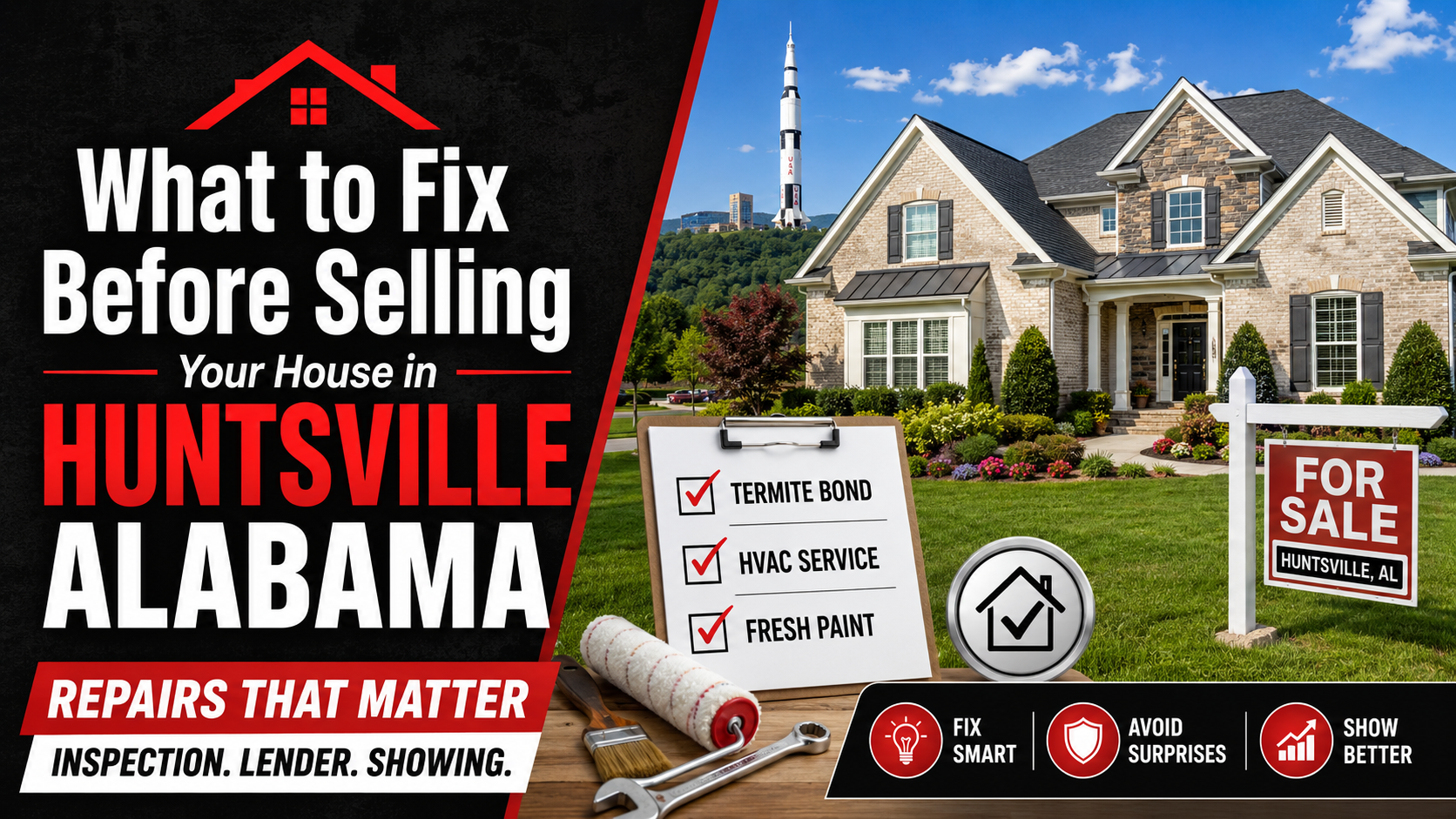
What Should You Fix Before Selling Your House in Huntsville, Alabama?
One of the most common questions I hear from sellers in Huntsville is some version of: “What do I need to fix before I list?”
It’s the right question to ask. The wrong answer is to start renovating.
Sellers in Huntsville lose money every year on projects that made them feel better about their home but added nothing to the final price. A remodeled laundry room does not move buyers. A functioning HVAC and a clean termite report do.
Before you spend a dollar, you need to understand what buyers and their lenders are actually looking for in this market. That list is shorter, and more specific, than most sellers expect.
The Alabama-Specific Requirements First
Alabama’s climate and its lending requirements create a short list of non-negotiable items. These are not cosmetic preferences. They are things that can kill a deal or delay a closing if they’re not addressed.
Termite inspection and Wood Infestation Report (WIR). Most lenders, and virtually every VA, FHA, and conventional loan, will require a clear Wood Infestation Report before closing. If your home does not have an active termite bond, get one. A transferable termite bond is one of the cleanest things you can hand a buyer at closing. If there is evidence of past or current infestation, address it now rather than at the negotiating table after inspection.
Alabama’s humid climate makes termite activity a real concern, not just a checkbox. Buyers and agents know this, and a home without a bond or with visible damage will generate buyer anxiety that often leads to a price reduction request.
HVAC condition. Service your heating and cooling system before listing. Replace the filter, have a technician check refrigerant levels and overall function, and document it. In a Southern climate where buyers spend heavily on cooling for half the year, an older or questionable HVAC is one of the most common post-inspection repair requests. Addressing it before the inspection removes a negotiating point from the buyer’s list.
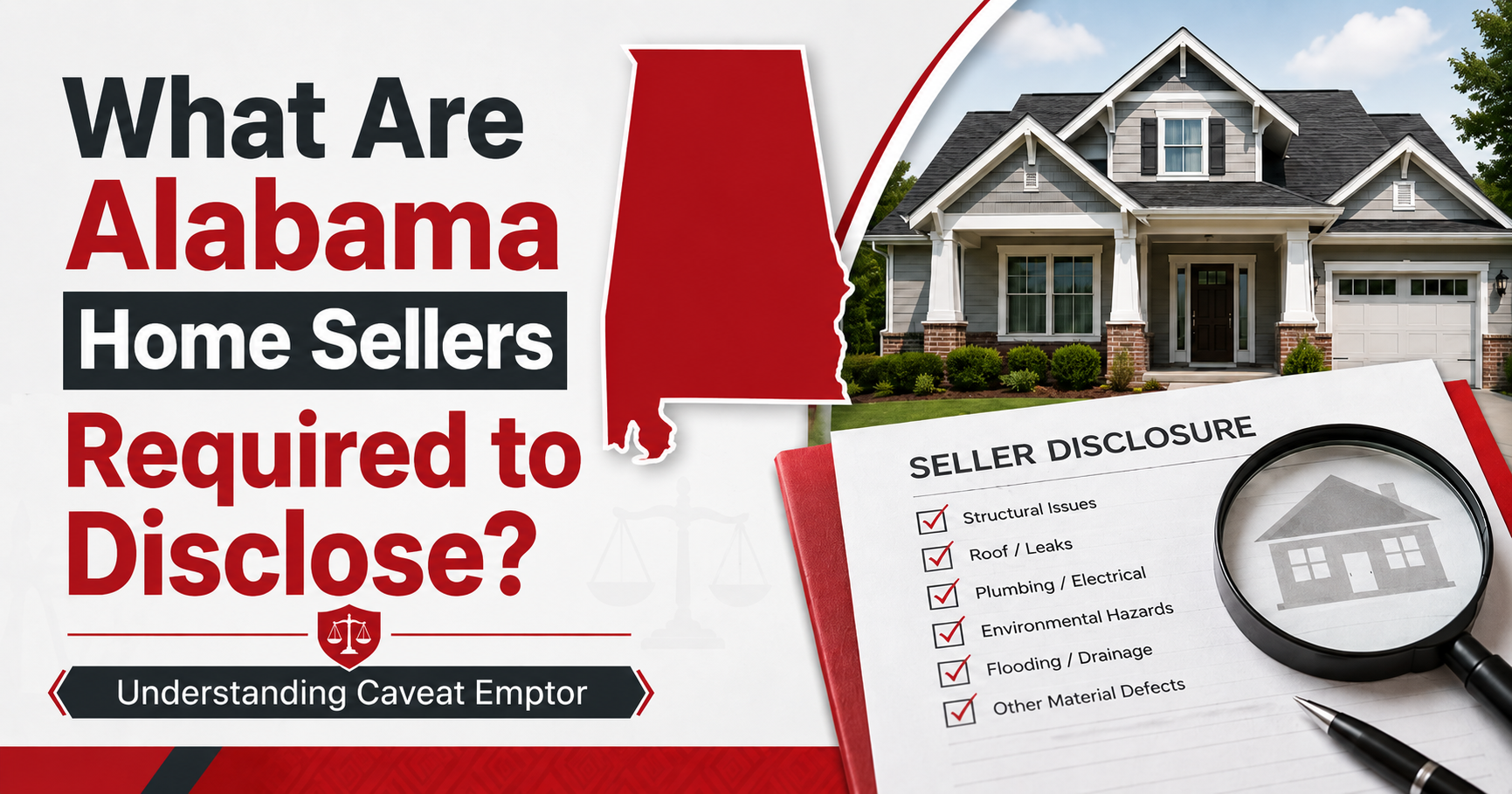
Moisture, mold, and water intrusion. Signs of water damage, staining on ceilings, musty odors, visible mold, evidence of past leaks, create serious buyer anxiety and lender scrutiny. Alabama is a buyer beware (caveat emptor) state, meaning there is no required seller disclosure form. But intentionally concealing known material defects creates real legal liability. Disclose what you know. Fix what you can.
Foundation and structural concerns. Alabama’s red clay soil shifts with moisture changes. Sticking doors, drywall cracks, and sloping floors can signal foundation movement to buyers and their inspectors. Not every crack is a crisis, but visible symptoms that haven’t been evaluated will generate questions. If you’re not sure, have a structural engineer or foundation specialist take a look before you list.
What’s Worth Fixing (and What’s Not)
Once you’ve addressed the lender and inspection requirements, the question becomes: what cosmetic or functional work adds value?
The answer is almost never major renovation. A full kitchen remodel before a sale rarely returns dollar for dollar, especially if the home is priced at or below the market average for the neighborhood. What does pay:
Fresh interior paint. This is the highest-return investment for most sellers. Neutral tones, clean lines, and no scuffs or marks on the walls communicate that the home has been cared for. Budget $2,500 to $7,500 for a professional job, depending on square footage.
Clean carpet or refinished floors. If the carpet is visibly worn, stained, or dated, replacing it with basic neutral carpet runs $1,500 to $4,500 for most homes. Hardwood floors that need refinishing can be addressed for $3 to $5 per square foot.
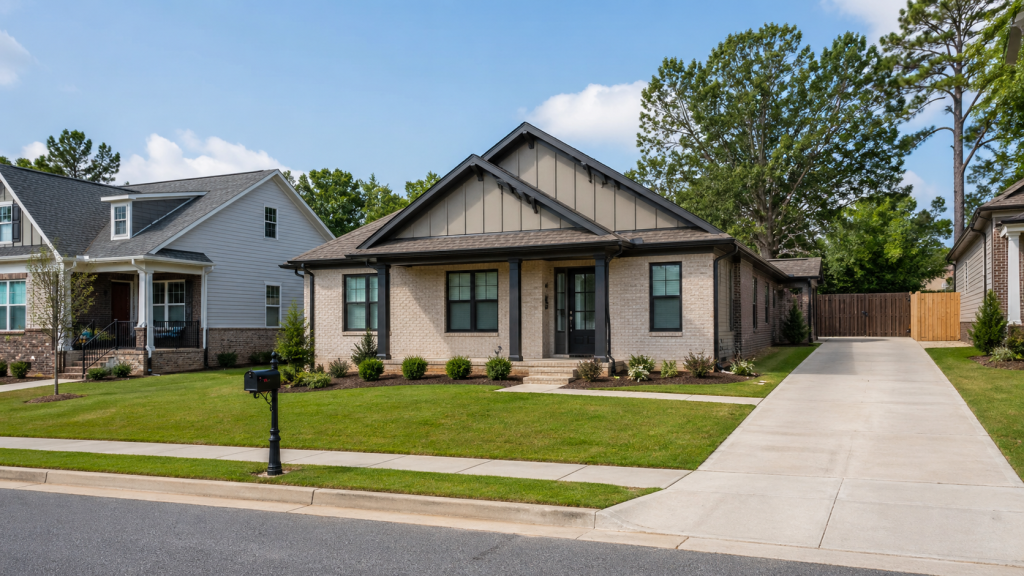
Exterior curb appeal. Buyers form their impression before they walk through the door. Overgrown shrubs, dead plants, faded front door paint, and cracked driveways create doubt. Budget time and some money for mulch, trimmed landscaping, and a freshly painted front door.
Updated light fixtures. Dated brass or builder-grade fixtures in kitchens and bathrooms read as “this home hasn’t been touched in 20 years.” Replacing key fixtures is a low-cost way to signal that the home is well-maintained.
Functioning everything. Cabinet hinges that don’t close, doorknobs that stick, and ceiling fans with dead bulbs send a subtle message of neglect. Walk through your home as if you’re seeing it for the first time and make a list. Fix what’s broken.
The Pre-Listing Inspection Question
A pre-listing inspection means paying a home inspector to review your home before you list it, the same type of inspection your buyer will order. It typically costs $400 to $600.
This is worth considering for two reasons. First, it eliminates surprises, you find out what the buyer’s inspector will find and have the opportunity to address it on your own timeline. Second, having a completed inspection on file can build buyer confidence, particularly for buyers who are nervous about the home’s condition.
The one important caveat: once you have an inspection, anything it identifies becomes something you know about. In Alabama’s buyer beware environment, you cannot claim ignorance of a defect you had documented before listing. Most sellers who do pre-listing inspections find that disclosing and addressing minor issues upfront is a better strategy than waiting for the buyer’s inspector to find them mid-transaction.
What Not to Bother With
Kitchens and bathrooms sell houses, but full renovations rarely return their cost when selling. If your kitchen is functional and clean, don’t remodel it. Pools, outdoor kitchens, and similar additions are taste-specific and add cost without guaranteed return.
Replacing the roof unless it’s actively failing is a common seller mistake. If your roof has five to eight years of life left, talk to your agent about how it’s likely to affect negotiations before you spend the money.
Frequently Asked Questions
Do I have to disclose defects when selling a house in Alabama?
Alabama is a buyer beware (caveat emptor) state. There is no required seller disclosure form. However, sellers cannot intentionally conceal known material defects. If you know about a structural issue, water intrusion, or other problem, concealing it can create legal liability. Disclose what you know, fix what you reasonably can, and price the home to reflect its condition.
Is a termite inspection required to sell a house in Alabama?
While sellers are not legally required to provide a termite inspection, most lenders: VA, FHA, and many conventional loans, will require a clear Wood Infestation Report before they will fund the loan. This effectively makes it a transactional requirement in most sales. A transferable active termite bond is a clean asset at closing.
Should I replace the carpet before selling my Huntsville home?
Replace carpet only if it’s visibly worn, stained, or damaged. Basic neutral carpet replacement runs $1,500 to $4,500 for most homes and makes a noticeable difference in how the home shows. If the carpet is dated but clean and unstained, ask your agent whether buyers in your price range are likely to overlook it or request a credit.
How much should I spend fixing up my home before selling?
Fix what affects the inspection and lender requirements first, then address cosmetic issues with a clear return. Most sellers in Huntsville spend $2,000 to $8,000 on pre-listing preparation and see a return that exceeds that investment. Spending beyond that on renovation rather than repair rarely pays for itself.
Does a pre-listing inspection help or hurt when selling in Alabama?
It generally helps, because it eliminates surprises and gives you control over the narrative. You find out what the buyer’s inspector would find and can address issues on your own terms. Most sellers who use pre-listing inspections find that transparency and proactive repair work better than hoping the buyer’s inspector misses something.
The sellers who get the most from their Huntsville home sale are rarely the ones who spent the most money. They’re the ones who focused their spending on the right things: meeting lender requirements, presenting a clean inspection, and showing a well-maintained home.
If you’re not sure what your specific home needs before listing, that’s exactly the kind of conversation worth having before you start writing checks. Schedule a free 20-minute strategy call and we can talk through what your home needs and what it doesn’t.
Watch: Which Fixes Actually Matter
Before You Sell
Before you spend money getting your Huntsville home ready to sell, it helps to know which improvements are likely to matter to buyers and which ones may not pay off. In this video, Steve Stinson explains how sellers can focus on simple, high-impact updates instead of getting pulled into expensive renovations. The goal is not to make the home perfect, but to help it feel clean, cared for, and ready for the market.
Key points covered:
- Why curb appeal creates an important first impression before buyers ever step inside.
- How fresh paint, clean spaces, updated lighting, and neutral finishes can help a home show better.
- Why small maintenance issues can create buyer doubt or lead to “mental price deductions.”
- Which simple repairs can help signal that the home has been well cared for.
- Why major kitchen or bathroom remodels usually are not the best pre-listing investment.
About Steve Stinson
Steve Stinson is a REALTOR® and Broker Associate with Keller Williams Realty in Huntsville, Alabama, serving home buyers and sellers across Madison County since 2005. He specializes in seller representation, new construction homes, relocation moves, downsizing, and investment property guidance in Huntsville, Madison, Hampton Cove, Owens Cross Roads, and the surrounding North Alabama market. Steve has helped more than 500 families make confident real estate decisions, earned 250+ verified 5-star reviews, received the Best of Zillow award, and consistently ranks in the top 5% of the local MLS as a listing agent. A lifelong Alabamian and 40+ year Huntsville-area resident, Steve brings local market knowledge, pricing strategy, and negotiation experience to every move. Learn more at stevestinsonhuntsvillehomes.com.