

Why Real Estate Investors Look for Rental Properties Before Year-End
Real estate investors often look for rental properties before year-end because timing can affect how quickly a property starts producing both income and tax benefits. If the property is placed in service by December 31, depreciation may begin that tax year, and cost segregation with 100% bonus depreciation may accelerate deductions on qualifying components.
This information is for general educational purposes only and is not tax, legal, or financial advice. Tax treatment depends on the property and the investor’s individual situation, so review any year-end strategy with a CPA or qualified tax advisor.
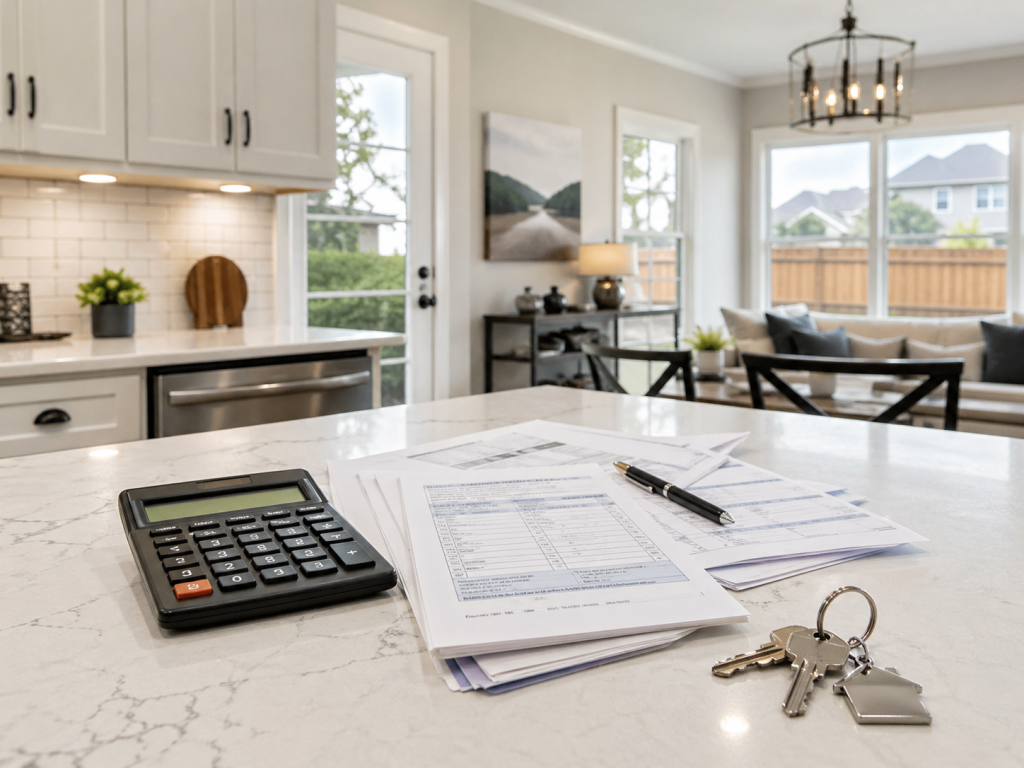
The fourth quarter can be one of the most strategic times to buy rental property because a property placed in service before December 31 may qualify for current-year depreciation benefits. For investors in Huntsville and North Alabama, that timing can affect cash flow, tax planning, and the ability to move into the next deal faster.
This is especially important for investors considering single-family rentals, small multifamily properties, or turnkey homes in areas like Huntsville, Madison, Athens, Harvest, Meridianville, and Monrovia.
Why Q4 Matters for Real Estate Investors
Many investors start paying closer attention to opportunities in October, November, and December for one simple reason: year-end tax planning.
If you close on an investment property and place it in service before the end of the year, you may be able to claim certain deductions for that tax year. That can make a meaningful difference when you are trying to reduce taxable income, improve cash flow, or reposition capital before the next year begins.
Q4 can also create practical buying opportunities.
Sellers may want to close before year-end. Builders may be motivated to move completed inventory. Investors may face less competition from casual buyers who are focused on the holidays instead of property shopping.
For the right buyer, that combination can create leverage.
What “Placed in Service” Means
Buying a property before December 31 is not always enough. For tax purposes, an investment property generally needs to be ready and available for rental use.
That is often called being “placed in service.”
For tax purposes, a rental property is generally placed in service when it is ready and available for rent. The property does not necessarily have to be occupied yet, but simply closing before December 31 is not enough if repairs or other work keep it from being ready for rental use.
IRS Publication 527: https://www.irs.gov/publications/p527
The timing of the closing, repairs, tenant availability, and documentation can all matter.
What a Cost Segregation Study Does
A cost segregation study is a tax planning tool that separates parts of an investment property into different depreciation categories.
Without cost segregation, residential rental property is typically depreciated over 27.5 years. That means the tax benefit is spread out over a long period.
A cost segregation study looks deeper. It identifies property components that may qualify for shorter depreciation periods, such as:
- Appliances
- Flooring
- Cabinets
- Lighting
- Certain fixtures
- Landscaping
- Site improvements
- Specialty systems or finishes
Instead of depreciating everything on the same long schedule, some components may be reclassified into shorter recovery periods. That can allow a larger amount of depreciation to be taken earlier.
In plain English, cost segregation can move some tax benefits forward.
Example: A $300,000 Rental Property in Huntsville
Consider a $300,000 single-family rental in the Huntsville area.
Without a cost segregation study, the annual depreciation deduction may be relatively modest because the structure is depreciated over 27.5 years.
With a cost segregation study, an investor may be able to accelerate a portion of the depreciation into the first year, depending on the property, purchase allocation, improvements, and current tax rules.
A simplified example may look like this:
| Scenario | Potential Impact |
|---|---|
| Standard depreciation only | Smaller annual deduction spread over many years |
| Cost segregation study | Larger first-year depreciation may be possible |
| Property placed in service before year-end | Potential current-year tax benefit |
| Property delayed until January | Potential tax benefit may shift to the following year |
The actual numbers depend on the property and the investor’s tax situation. A CPA should review the strategy before purchase decisions are made.
Bonus Depreciation Can Make Timing More Important
100% Bonus Depreciation Can Make Cost Segregation More Valuable
Current federal tax law makes cost segregation potentially more valuable than it was under the previous bonus-depreciation phaseout. The One Big Beautiful Bill Act restored permanent 100% bonus depreciation for qualifying depreciable property acquired after January 19, 2025.
For real estate investors, bonus depreciation generally does not apply to the residential building itself. However, certain shorter-life components identified through a cost segregation study may qualify for 100% first-year depreciation.
That is why the study matters. It can separate qualifying components from the building so the investor and CPA can determine which portions may be eligible for accelerated treatment.
The IRS confirmed the permanent 100% deduction in January 2026. The actual amount an investor can use still depends on the property, tax basis, passive activity rules, at-risk limitations, and the investor’s individual tax situation.
The key takeaway is simple: the value of a rental purchase is not only about rent, price, and appreciation. Under current tax law, cost segregation and 100% bonus depreciation can also affect the timing of an investor’s tax deductions.
Why This Strategy Fits Huntsville Investors
Huntsville continues to attract investors because the area has strong rental demand drivers, including Redstone Arsenal, Research Park, the aerospace and defense sector, and continued growth across Madison County and Limestone County.
Investors often look at rental opportunities near:
- Redstone Arsenal
- Research Park
- Town Madison
- I-565 access points
- Madison
- Athens
- Harvest
- Meridianville
- Monrovia
- Hampton Cove
- Owens Cross Roads
The best property depends on the investor’s goal. Some buyers want long-term appreciation. Others want cash flow. Some want newer, lower-maintenance properties that can be placed in service quickly.
Q4 rewards investors who know what they are looking for before they start writing offers.
What Investors Should Review Before Buying in Q4
A year-end purchase can be smart, but it should not be rushed. The numbers still need to work.
Before buying, investors should review:
- Purchase price
- Rent estimate
- Expected vacancy
- Property taxes
- Insurance
- HOA dues, if any
- Repairs needed before renting
- Property management costs
- Financing terms
- Closing timeline
- Whether the property can be placed in service before year-end
- Whether a cost segregation study makes sense
A tax benefit should improve a strong deal. It should not be used to justify a weak one.
Why Newer or Turnkey Rentals May Help
Investors trying to close before year-end often prefer properties that do not need major repairs. A property that requires extensive work may not be ready for tenants before December 31.
That is why newer homes, recently renovated properties, and completed builder inventory can be attractive in Q4.
A turnkey or near-turnkey rental may allow the investor to:
- Close faster
- Reduce repair delays
- Advertise for rent sooner
- Document rental readiness more clearly
- Start the cost segregation process sooner
This can be especially useful in active North Alabama markets where investors are trying to move quickly but still make disciplined decisions.
How a Real Estate Agent Can Help Investor Clients
A strong investor-focused agent does more than open doors.
For a Q4 investment purchase, the right agent can help identify properties that fit the investor’s timeline, rental goals, and tax planning needs. That includes looking for homes that are likely to be ready for rental use quickly and helping coordinate the steps between contract, inspection, closing, and post-closing preparation.
An agent can also help connect the investor with local professionals, including property managers, lenders, insurance providers, contractors, and cost segregation providers.
The CPA should guide the tax strategy. The agent’s job is to help the investor find the right property and keep the transaction moving.
The Bottom Line for Q4 Rental Buyers
Buying rental property in the fourth quarter can create real advantages when the property, timing, and tax planning all line up.
A property purchased and placed in service before year-end may allow an investor to capture depreciation benefits for the current tax year. When paired with a properly prepared cost segregation study, that can potentially improve cash flow and free up capital for future investments.
The best approach is practical: find a strong rental property first, confirm the numbers, talk with your CPA, and move with enough time to close and place the property in service before December 31.
If you are considering a rental property in Huntsville, Madison, Athens, or the surrounding North Alabama market, start with the numbers and build the strategy from there.
This information is for general educational purposes only and is not tax, legal, or financial advice. Always consult your CPA or qualified tax advisor before making investment or tax planning decisions.
FAQ
Why do investors buy rental properties in the fourth quarter?
Investors often buy in the fourth quarter because a rental property placed in service before December 31 may qualify for current-year depreciation deductions. Q4 can also bring motivated sellers and builders who want to close before year-end.
What is a cost segregation study?
A cost segregation study separates parts of an investment property into different depreciation categories. Some components may qualify for shorter depreciation periods, which can allow the investor to claim more depreciation earlier.
Does cost segregation work for single-family rentals?
Yes, cost segregation may be used for single-family rental properties, but whether it makes sense depends on the property value, asset mix, investor goals, and CPA guidance.
Is buying before December 31 enough to claim depreciation?
Not always. The property generally needs to be placed in service, meaning it is ready and available for rental use. Investors should confirm the details with their CPA.
Should every investor use cost segregation?
No. Cost segregation is not right for every property or every investor. It may be more useful for investors with enough taxable income or passive income to benefit from accelerated depreciation.
Have a question about the Huntsville housing market?
Get straight, local answers about selling, buying, relocating, investing, or building in the Huntsville area. No pressure.
Since 2005 · 500+ Families Served · 250+ Five-Star Reviews · BBB A+ Rated
About Steve Stinson
Steve Stinson is a REALTOR® and Broker Associate with Keller Williams Realty in Huntsville, Alabama. He has served buyers and sellers across Madison County since 2005.
Steve specializes in getting sellers the best result, with particular strength in new construction homes, relocation, downsizing, and buying or selling investment properties. He works with clients in Huntsville, Madison, Hampton Cove, Owens Cross Roads, and the surrounding North Alabama area, and helps owners weigh open-market sales against local cash-buyer offers so they can compare speed, price, and terms with confidence.
He has helped more than 500 families make A Wise Move and earned 250+ five-star reviews. Steve is a Best of Zillow award recipient and consistently ranks in the top 5% of the local MLS as a listing agent. A lifelong Alabamian and 40-plus-year resident of the area, he brings deep local knowledge and pricing strategy to every move, whether you’re navigating a seller’s market or deciding how to compete for a home in a hot one.